


The yen hit a 34-year low against the dollar on Wednesday, just over a week after the Bank of Japan announced a much-anticipated interest rate hike in a shift away from years of ultra-loose monetary policy.
The unit weakened to 151.97 per dollar, its softest since 1990, raising speculation that authorities will intervene in markets to prop up the currency.
But its value soon recovered to levels of around 151.72.
The drop came after a top central bank official suggested it would continue to pursue an accommodative policy for the time being, echoing previous comments from the BoJ.
Over the past two years the yen has sharply weakened from levels of around 115 against the dollar before Russia’s invasion of Ukraine.
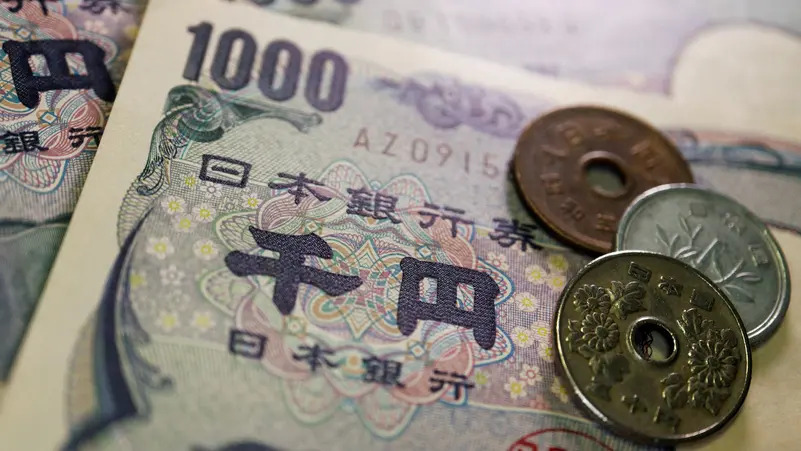
While central banks around the world aggressively hiked rates to tackle soaring inflation caused by the war in Ukraine and other factors, the Bank of Japan stuck to its ultra-loose policies, driving down the yen.
But last week the bank finally took a step away from its monetary stimulus programme — hiking rates for the first time since 2007.
The yen has continued to slide since then, however, and on Monday a Japanese finance ministry currency diplomat hinted at potential intervention in the currency market.
“We can’t tolerate excessive movement based on speculation, which has a huge negative effect on the national economy,” Masato Kanda said.
“We will take appropriate measures against excessive movement without ruling out any means.”
Wednesday’s drop came after Naoki Tamura, a BoJ board member, reportedly told business leaders in northern Japan that “slow but steady progress” was needed on scaling back the central bank’s long-standing ultra-easy policy.
He repeated a line from a bank policy statement about financial conditions staying accommodative for now, which triggered a fresh fall in the yen, Bloomberg News reported.
Official figures last week showed that Japanese inflation accelerated to 2.8 percent in February, staying above the bank’s two-percent target meant to fight stagnation.
The BoJ has pursued policies aimed at encouraging inflation in order to bring the world’s fourth-largest economy out of harmful deflation, with the figure hitting or exceeding its target of two percent for almost two years.
But the central bank has long said inflation needs to be driven by demand and higher wages instead of temporary factors such as higher energy costs.
Source: english.alarabiya.net